Understanding Casino Odds
Before diving into the thrill of casino games, it’s essential to understand the concept of odds and how they can influence your strategy at various betting sites . Odds represent the likelihood of a particular outcome occurring during a game. For example, in games like roulette, the odds are often displayed as a ratio, showing players the chances of winning versus losing. By being aware of these odds, players can make informed decisions about where to place their bets and which games to play. This foundational understanding can enhance the overall experience and potentially increase the chances of winning.
Certain games have better odds than others, which can significantly influence your overall experience. For instance, blackjack generally offers a lower house edge compared to slot machines. This means that players have a better chance of winning in blackjack over time. Understanding the differences in odds between various casino games can help players strategize and maximize their chances of success, ultimately leading to a more enjoyable gaming experience. Knowledge of odds is not just a theoretical exercise; it directly impacts betting decisions and outcomes.
Additionally, it’s important to realize that the odds can change based on the specific rules of the game and the player’s skill level. In poker, for instance, a skilled player can manipulate the odds through strategic play, thus improving their chances of winning. Conversely, inexperienced players may find themselves at a disadvantage. Recognizing how these dynamics influence the overall odds is crucial for anyone considering a visit to the casino. The better informed you are about the odds, the more empowered you will feel when making decisions at the gaming table.
The House Edge Explained
The house edge is a critical aspect of casino gaming that every player should understand. This term refers to the mathematical advantage that the casino has over players in any given game. For instance, in the game of baccarat, the house edge is around 1.06% on player bets, meaning that, on average, the casino keeps 1.06% of all the money wagered on that game. This edge guarantees that, in the long run, the casino will make a profit, while players can expect to lose money over time. Understanding this dynamic is vital for setting realistic expectations when gambling.
Different games come with varying house edges, which is why understanding these percentages can greatly impact your gaming strategy. For example, games like video poker or blackjack can have low house edges if played optimally, giving players a fighting chance. In contrast, games such as keno and certain slot machines can have much higher house edges, resulting in lower odds of winning for players. By knowing which games have a more favorable house edge, players can make informed choices about where to invest their money.
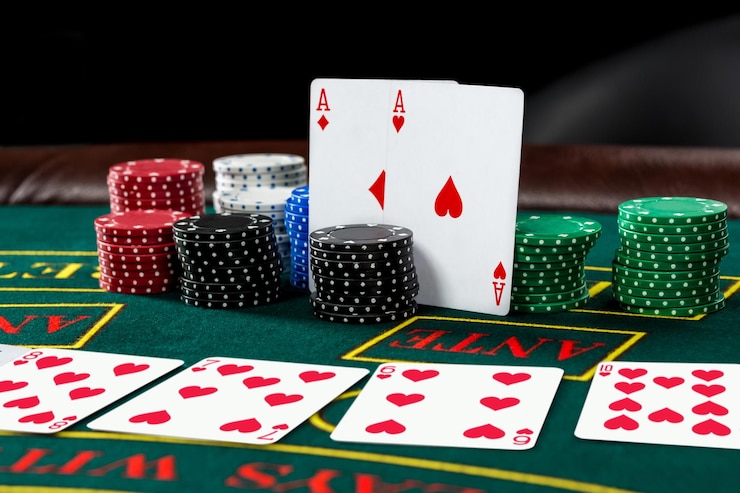
Moreover, the house edge isn’t just a static figure; it’s influenced by various factors including the rules of the game and the player’s strategy. For example, in blackjack, variations in rules—like whether the dealer hits on a soft 17 or the number of decks used—can significantly affect the house edge. Understanding these nuances can empower players to make smarter choices and improve their chances at the tables. This knowledge allows for a more strategic approach, enhancing the overall gaming experience.
The Psychology of Betting
Engaging in a casino game is not just a matter of numbers; it’s also influenced by psychological aspects. Emotions often drive decisions, and this can lead to irrational betting behaviors. Players may go on losing streaks but continue to bet in hopes of a turnaround, which can lead to significant financial losses. Understanding the psychology behind betting can help players recognize these patterns in themselves and mitigate their impact. Developing self-awareness is key to maintaining control over one’s betting behavior.
One common phenomenon in casinos is the gambler’s fallacy, where players believe that past outcomes will influence future ones. For instance, if a player notices that a number hasn’t appeared on the roulette wheel for several spins, they might irrationally believe it’s ‘due’ to come up soon. This misconception can lead to poorly informed betting decisions. By acknowledging this fallacy, players can develop a more rational approach to their games, focusing on strategy and odds rather than misconceptions.
Furthermore, many casinos utilize environmental factors to enhance the gaming experience, creating a stimulating atmosphere designed to keep players engaged. Sounds, lights, and even the layout of the casino can influence player behavior and decision-making. Being aware of how these factors impact your mindset can help you maintain control and approach gaming with a more strategic and analytical perspective. By cultivating a balanced mindset, players can enhance their enjoyment while making more informed choices.
The Role of Strategy in Games
While luck plays a significant role in casino gaming, strategy can also make a substantial difference in a player’s longevity and success. For table games like blackjack and poker, understanding basic strategy—such as when to hit or stand—can dramatically reduce the house edge and increase winning potential. Investing time to learn these strategies can ultimately provide players with an advantage. Having a solid strategy allows players to approach games with confidence, knowing they are making informed decisions.

In games like poker, mastering the art of reading opponents and understanding betting patterns can take your game to the next level. Unlike purely chance-based games, the skill involved in poker allows players to influence the odds significantly. By learning advanced strategies such as bluffing and pot odds, players can turn the tables in their favor and outsmart their opponents. This strategic depth adds an exciting layer to gameplay, making poker a favorite among many casino enthusiasts.
Even in seemingly simple games like slots, implementing a thoughtful strategy can enhance your experience. Knowing when to increase your bet or how to choose games with better payout percentages can lead to a more rewarding experience. Ultimately, integrating strategy into your gaming approach allows for a more engaging and calculated experience at the casino. It’s not just about luck; it’s about making informed decisions that can lead to greater enjoyment and potential success.
Final Thoughts on Choosing a Casino
When considering a visit to a casino, it’s imperative to choose one that aligns with your preferences and understanding of the games. Different casinos offer various amenities, game selections, and promotional offers that can enhance your experience. Researching options and reading reviews can help in making an informed choice that suits your gaming style and budget. A well-chosen casino can provide a more enjoyable experience, allowing you to focus on the games and the fun.
Moreover, understanding a casino’s loyalty programs and bonuses can also play a significant role in your overall experience. Many casinos offer rewards programs that can provide added value through points, cashback, or complimentary services. Taking advantage of these offers can enhance your gaming experience and improve your odds of winning over time. By being strategic about where you play and how you engage with the casino, you can maximize your enjoyment and potential rewards.
Ultimately, the key to a successful casino experience lies not merely in luck but in an informed approach that considers odds, strategies, and personal psychology. Familiarizing yourself with these elements will not only make your gaming sessions more rewarding but will also ensure a more enjoyable experience overall. By integrating knowledge of odds, house edge, and strategy into your gameplay, you can elevate your time at the casino to new heights.
